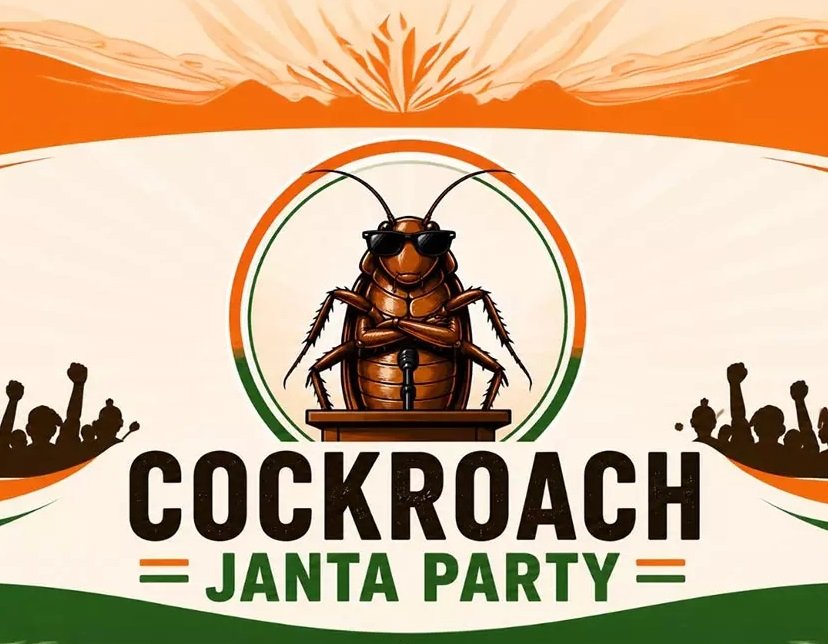
What began as a satirical concept soon evolved into the face of a major movement. The ‘Cockroach Janata Party‘ (CJP) rapidly emerged as a student organisation, mobilising thousands of students on the streets and garnering widespread online support. The CJP’s voice resonated beyond the student community; the government took note and announced on Saturday its willingness to meet all their demands.
The CJP has now called off its 36-day-long protest after the government accepted key demands, including the resignation of Education Minister Dharmendra Pradhan and the provision of compensation to the parents of students who died by suicide following the NEET paper leak.As the Movement Draws to a Close, let us Take a Look at the Individuals who Shaped it Over the Past Month.
Abhijit Dipke (Who Launched the CJP)
It comes as no surprise that this initiative was started by Abhijit Dipke, who launched the ‘Cockroach Janata Party’ (CJP) in May of this year. The social media account was created as a satirical response to a remark made by Chief Justice of India (CJI) Surya Kant, in which he referred to the country’s youth as “cockroaches.” The CJP’s X account stated: “A political front of the youth, by the youth, for the youth. Secular – Socialist – Democratic – Lazy.”
Abhijit was the mastermind behind this account. It quickly garnered immense online support, and its Instagram follower count surpassed that of the BJP.
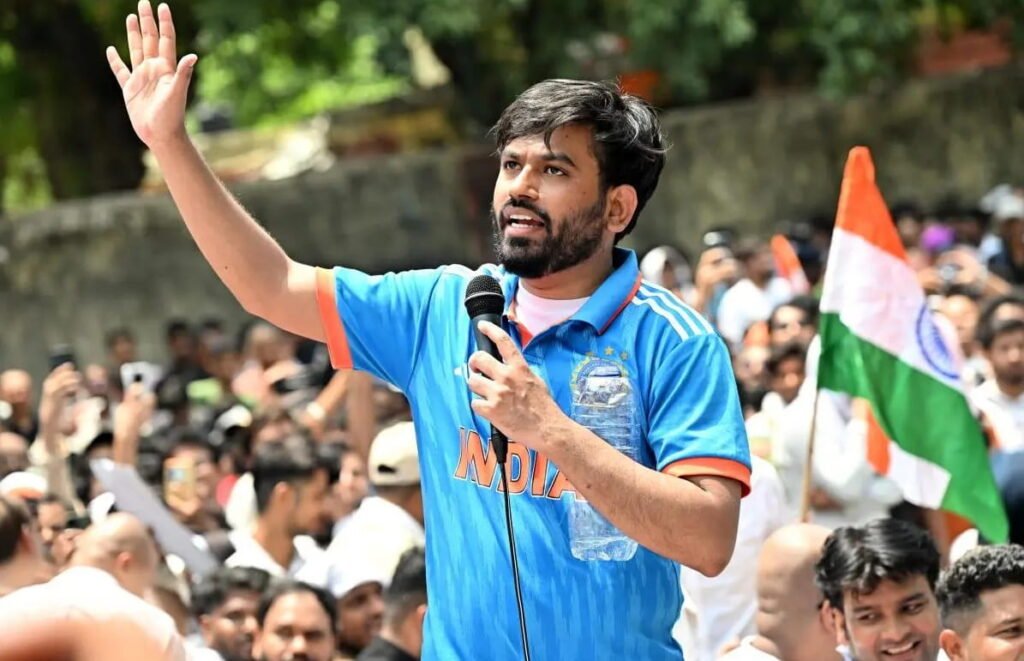
Before becoming an icon among students, Abhijit was known for his work in digital political messaging, narrative building, and online campaign strategy. He holds an undergraduate degree in Journalism from Pune and a two-year master’s degree in Public Relations from Boston University.
After supporting students online for several days, Dipke returned to India last month and led the CJP’s first protest at Jantar Mantar. Similar protests took place in other cities, followed by a massive demonstration organised by the CJP at Delhi’s Jantar Mantar, demanding accountability for the NEET-UG paper leak and other exam irregularities.
Following the announcement of Dharmendra Pradhan’s resignation as Education Minister, Abhijit posted on X today: “Catching some sleep. See you all in a bit.”
Sourav Das and Ashutosh Ranka (Spokespersons of CJP)
As the CJP movement expanded, the organization announced the names of its spokespersons, including Sourav Das and Ashutosh Ranka. Both emerged as significant forces during the protests and played a pivotal role in negotiations with the government regarding the Pradhan case.
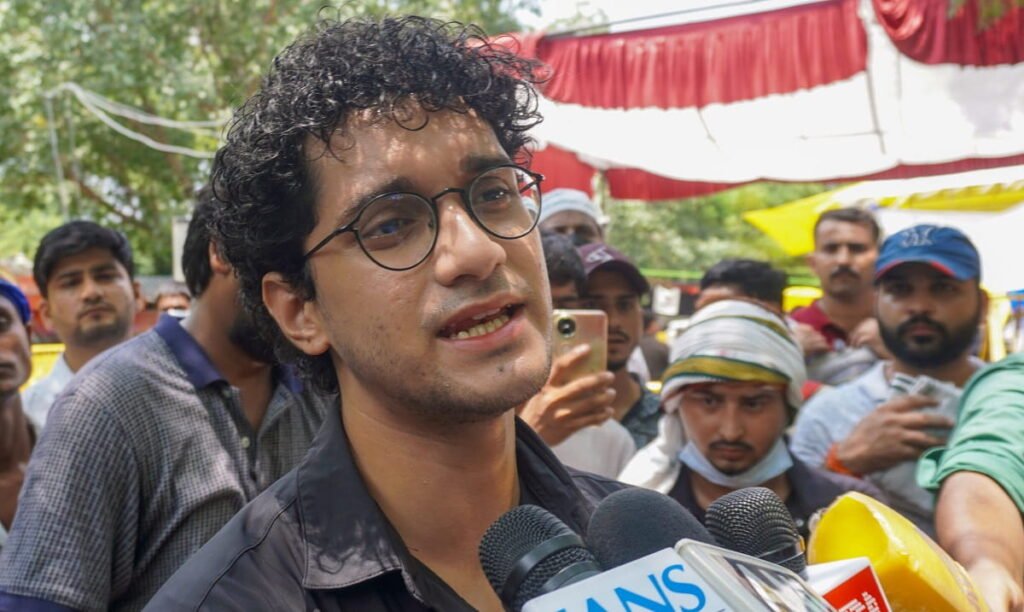
Sourav Das is an investigative journalist. According to his LinkedIn profile, Das holds a degree in Journalism and Mass Communication and began his professional writing career in 2020. He is also working on a book that “examines how the Indian judiciary has contributed to the country’s slide towards electoral autocracy,” as stated in his bio.
Meanwhile, Ashutosh Ranka is an alumnus of IIT Kanpur and the London School of Economics. He has worked as a consultant for McKinsey & Company in London. His involvement in major public movements is not new; since returning to India, he has led several movements in Jaipur focused on the environment, education, and youth issues.
Sonam Wangchuk (Climate Activist and Educator)
What further intensified the CJP protest and transformed it into a major movement was the indefinite hunger strike undertaken by climate activist and educator Sonam Wangchuk, which began last month. Large crowds gathered at Jantar Mantar, joined by prominent opposition leaders and celebrities.
Sonam Wangchuk, renowned as the real-life inspiration for the character ‘Phunsukh Wangdu’ in the film 3 Idiots, is credited with transforming the educational landscape in Ladakh. Born and raised in a tiny village of just five households located about 70 kilometres from Leh, he later pursued studies in mechanical engineering.
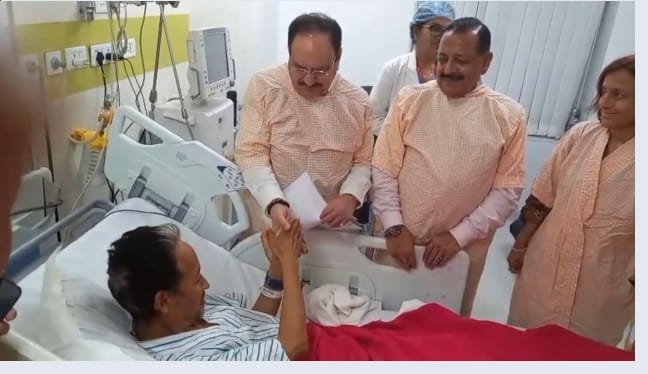
He emerged as the face of the CJP movement; thousands of people urged the government to intervene and accede to the demand for Dharmendra Pradhan’s resignation. Amidst widespread public appeals, Sonam Wangchuk ended his hunger strike after 26 days at Medanta Hospital in Gurugram, in the presence of Union Ministers JP Nadda and Jitendra Singh.
Prime Minister Modi also responded to the event, stating: “I urge Sonam-ji to follow the doctors’ advice regarding his routine and to regain his former weight as soon as possible. I pray to God for Sonam-ji’s good health.”
Neha Bora (PhD scholar at JNU)
Wangchuk was not alone in undertaking an indefinite hunger strike at Jantar Mantar; he was joined by three students from the All India Students Association (AISA), Neha Bora, Manish Kumar, and Amin Amitoj. Their strike had commenced before Wangchuk’s.
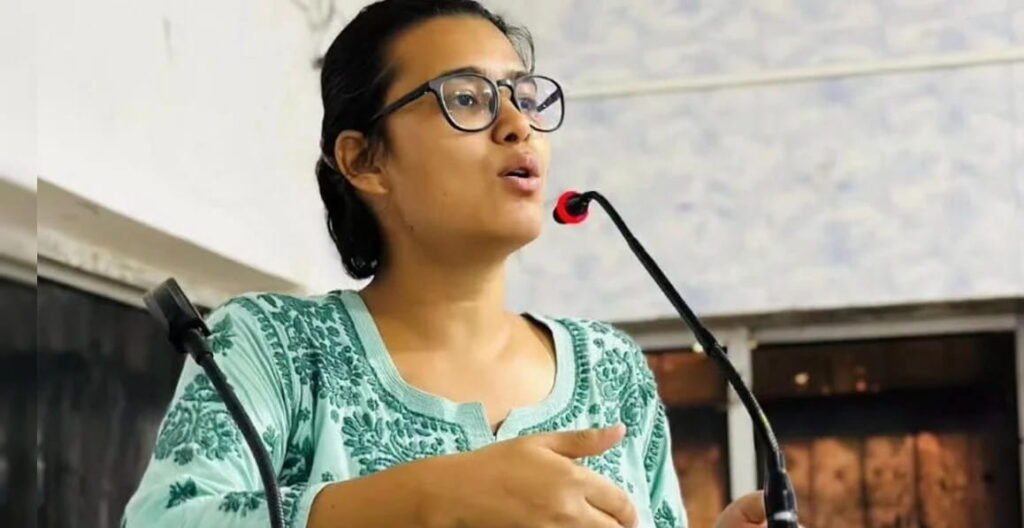
Neha Bora is a PhD scholar at JNU. On July 19, she alleged that the police forcibly removed Sonam Wangchuk from Jantar Mantar and took him to Safdarjung Hospital. She stated, “I appeal to all of you to come to Jantar Mantar. This movement has not ended, and it will not end until Dharmendra Pradhan resigns. Please ensure this message reaches everyone.” She also celebrated the announcement of Pradhan’s resignation today, writing on X, “@dpradhanbjp Congratulations on the defeat.”
What will be the CJP’s Next Move?
The CJP announced on Saturday that it is withdrawing its protest. This development followed a joint press conference with the government, during which it was announced that the CJP’s demands had been accepted.