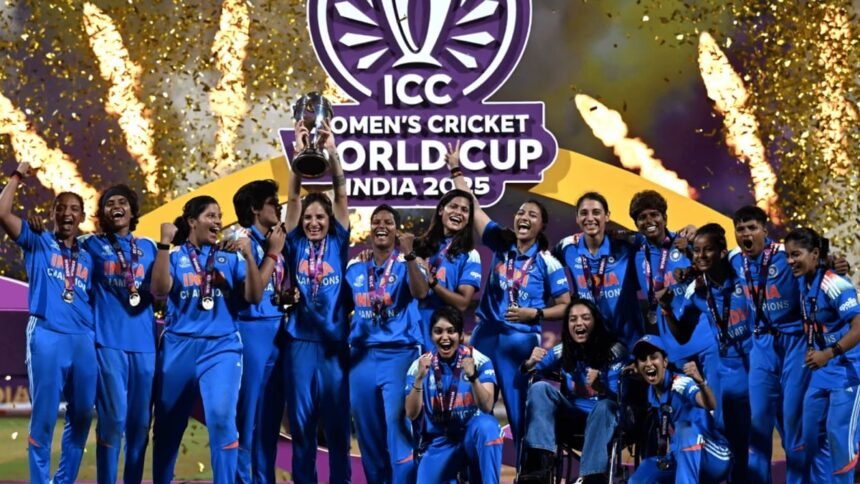
Battle of the Sexes: For decades, India has had two senior national cricket teams-one for men and one for women. Yet, for most of this time, the focus, media coverage, and institutional support have largely been on the men’s team. The women’s team, despite consistently strong performances and international success, has often remained largely outside of public discourse.
Instead of receiving the recognition they deserved, the women’s team players often faced dismissive comments and online ridicule. Remarks questioning the relevance of women’s cricket on social media, along with derogatory labels that undermined their professionalism, became commonplace, damaging both their achievements and credibility.
women’s cricket in India was marginalised. Matches were played on side grounds, schedules were inconvenient, and coverage was minimal. Talent was never the issue. Attention was the issue. That changed in 2025.
When the Indian women’s national cricket team stepped onto the field for the much-hyped “Battle of the Sexes” exhibition, it was supposed to be symbolic. A celebration matches. A conversation starter. A spectacle built around curiosity more than competition. Instead, it became a statement.
A Match That Carried More Than Runs
The event was framed carefully. Equal conditions. Equal resources. Prime-time broadcast. A neutral pitch. No excuses built into the setup. What followed surprised many who still viewed women’s cricket through an outdated lens. India’s women didn’t just compete. They controlled the game.
From the first powerplay, their intent was clear. Sharp running. Disciplined bowling. Fielding that refused to concede easy singles. The match never felt chaotic or experimental. It felt professional, rehearsed, and serious. That was the first shift. This wasn’t novelty cricket. This was elite cricket.
Leadership Without Apology
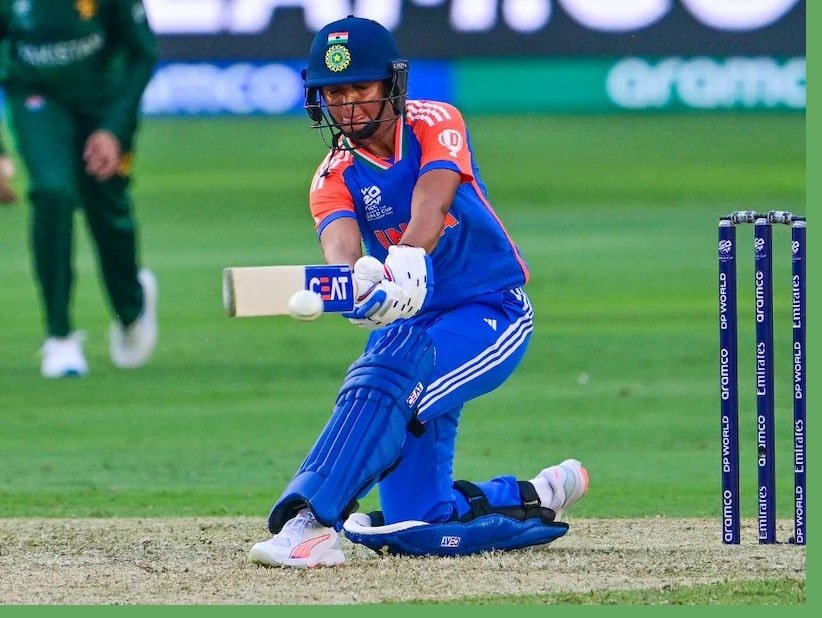
At the centre of it all stood Harmanpreet Kaur. Her captaincy carried no performative calm, no attempts to soften authority. Field changes were decisive. Bowling rotations were ruthless. When the pressure peaked, she took responsibility with the bat, playing the kind of innings that silences chatter rather than feeds it.
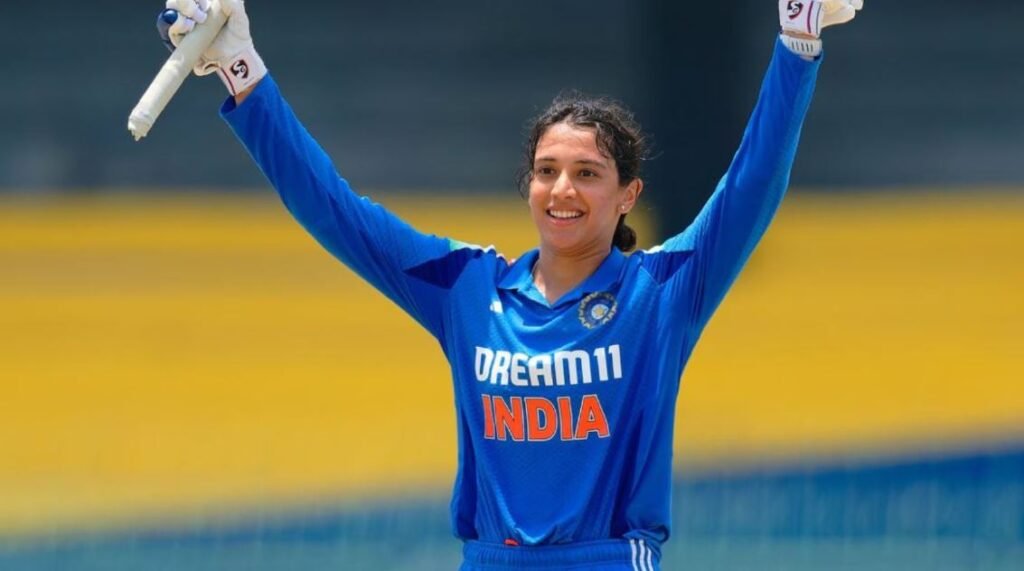
Alongside her, Smriti Mandhana did what she has done for years: made batting look effortless while dismantling quality bowling. Cover drives pierced the field. Pull shots punished hesitation. The score moved quickly, but never recklessly. The message was simple. Skill does not need a qualifier.
The Real Victory was Cultural
The final result mattered, but not as much as the response. Social media conversations shifted in tone almost instantly. Commentators stopped explaining the basics. Headlines stopped leaning on novelty. Fans stayed tuned in long after the outcome was decided.
For young girls watching at home, the match did something more powerful than inspire. It normalised excellence. This wasn’t a story about women “catching up.” It was proof that they had already arrived, waiting only for the spotlight to turn.
From Afterthought to Agenda-Setter
What made the 2025 Battle of the Sexes different was timing. The infrastructure was already improving. Central contracts had stabilised careers. Domestic tournaments were deeper and more competitive. Franchises had started investing seriously in women’s squads. This match didn’t create the rise. It revealed it.
Administrators could no longer treat women’s cricket as a side project. Broadcasters saw numbers they couldn’t ignore. Sponsors saw athletes who could anchor campaigns, not just complement them. Most importantly, the team saw itself reflected with respect.
Battle of the Sexes: What Comes Next
One match won’t erase decades of imbalance. But moments like this redraw boundaries. They change what feels possible and what feels inevitable. In 2025, India’s women didn’t ask for equality. They demonstrated value. And in sport, value changes everything. The periphery didn’t move to the forefront by invitation. It took the field, played its game, and left no room to look away.
Also Read: Jayshree Ullal, CEO of Arista Networks, Overtakes Sundar Pichai, Satya Nadella in Hurun 2025 List