
Algorithm-driven social media platforms like Instagram, TikTok, and YouTube Shorts have completely transformed how Generation Z accesses information. While older generations relied on traditional, curated media outlets for news, Gen Z largely depends on feeds curated by algorithms.
Because these systems are built to maximise user retention and advertising revenue rather than to inform or educate, they heavily distort what young people see, believe, and understand about the world.
According to data from the UN World Population Prospects, the number of Indians aged 14 to 29, representing Gen Z, stands at approximately 407 million, or about 28 percent of the country’s population.
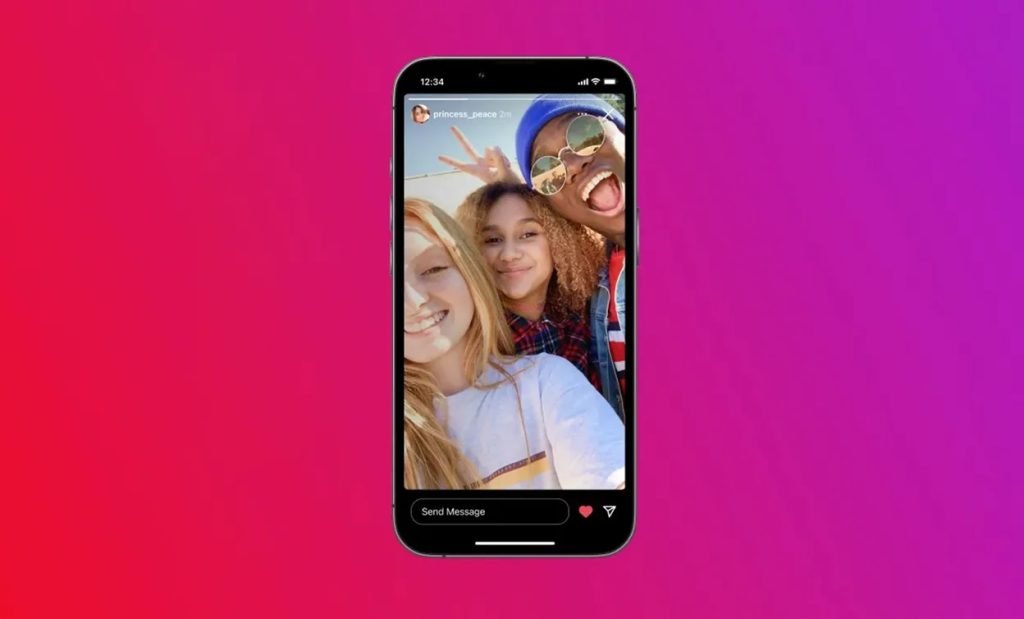
An article in ‘The Indian Narrative’ notes that this vast youth population could determine the outcome of elections in the coming decades; however, their intense activity on social media exposes them to a significant risk of falling prey to online fake news and disinformation.
This article mentions an IIM Rohtak study that found that 18-to 25-year-olds spend an average of nearly seven hours on screens daily, mostly on social media. It points out that with millions of youth spending so much time on algorithm-driven feeds every day, we cannot ignore a disturbing truth: the content they see does not show an accurate picture of reality.

The article likens these algorithms to “attention merchants.” They do not concern themselves with what is true or what benefits society; instead, they focus on a single question: what can be done to keep a user scrolling longer, thereby enabling the sale of more advertisements?
1. The Attention Economy and Emotional Maximisation
Traditional news editorial decisions are based on context and factual relevance. In contrast, social media algorithms operate on engagement optimisation, measuring metrics such as watch time, shares, saves, and comments.
Outrage and emotional appeals: Algorithms quickly grasp that content evoking intense emotions, such as fear, anger, extreme entertainment, or moral outrage, generates the highest level of engagement.
Distortion: Complex geopolitical events, economic crises, or scientific discoveries are stripped of their nuances and transformed into highly sensationalised, alarmist, or overly simplistic 30-second clips.
2. The End of Intentional News Seeking
For Gen Z, the newsfeed is passive and personalised. Users rarely ever go to news homepages; instead, news comes to them as a mix of entertainment, influencer culture, and current affairs.
“Edutainment” (a blend of education and entertainment): serious news about global disputes or elections shows up right next to dance trends, comedy sketches, or product reviews.
Distortion: When a serious humanitarian crisis is presented with the same casual tone, catchy editing, and background music used for lifestyle content, it trivialises serious issues and fosters a sense of emotional detachment or fatalism.
3. Hyper-personalisation and Filter Bubbles
Algorithms build highly specific psychological profiles by tracking every micro-interaction, such as pausing for three extra seconds on a video or double-tapping on a specific viewpoint.
Echo Chambers: While this ensures users see content tailored to their exact interests, it also isolates them from diverse perspectives or objective facts. Distortion: Users can become trapped in highly specific ideological or aesthetic bubbles.
Two companions sitting side-by-side might inhabit completely different digital realities, encountering conflicting versions of the truth regarding elections, public health, or cultural debates, thereby severely undermining a shared public consensus.
4. The rise of unverified “citizen journalists” and “AI slop” (low-quality AI content)
The democratisation of content creation means anyone can act as a source for breaking news. Algorithms prioritise speed and volume over source verification.
Algorithmic rewards for speed: creators who rush to break a story first receive massive algorithmic rewards; speed is prioritised over accuracy.
Distortion: Misinformation, old historical footage presented out of context as current events, and AI-generated deepfakes spread rapidly because they initially generate high engagement. By the time fact-checkers uncover the truth, the misinformation has already reached millions of young users via algorithms.
5. Algorithmic Fatigue and Pessimism
The relentless barrage of crises rapidly surfaced by algorithms takes a specific mental toll on those who have grown up in the digital age.
Doomscrolling and apathy: Consuming news about unfixable global tragedies, presented in a never-ending stream designed to maximise screen time, breeds deep fatigue and hopelessness.
Distortion: Instead of inspiring active and creative civic engagement, the distorted presentation of news often leaves Gen Z feeling helpless; They become extremely disillusioned with all media outlets and lean towards digital minimalism or staying completely away from the news.
Social Media
Social media refers to internet-based platforms and applications that enable users to create, share, and exchange content while forming virtual communities. It is used by over 5.4 billion people worldwide. It has transformed everyday communication from simple one-to-one messaging into interactive, real-time public networks.