
Google has taken another step forward in creative AI with Gemini AI Lyria 3, a music tool that can create entire songs from something as simple as a written prompt or a photo. Instead of opening a digital audio workstation and building tracks layer by layer, users can specify a mood, scene, or style and let the system create the music. Users can now create 30-second tracks using text descriptions, images, or video clips, without any knowledge of music required.
The feature is available in beta for all Gemini users aged 18 and older in eight languages: English, German, Spanish, French, Hindi, Japanese, Korean, and Portuguese. Free users get access to this feature, while Google AI Plus, Pro, and Ultra subscribers get a higher usage limit. Paid users will be able to expand this further, though Google hasn’t specified how much. It’s part of Google’s larger Gemini AI ecosystem, but Lyria 3 focuses specifically on sound.
What Gemini AI Lyria 3 does
Basically, Lyria 3 turns ideas into music. You can type something like: “A slow, emotional piano ballad about homesickness on a rainy night.”
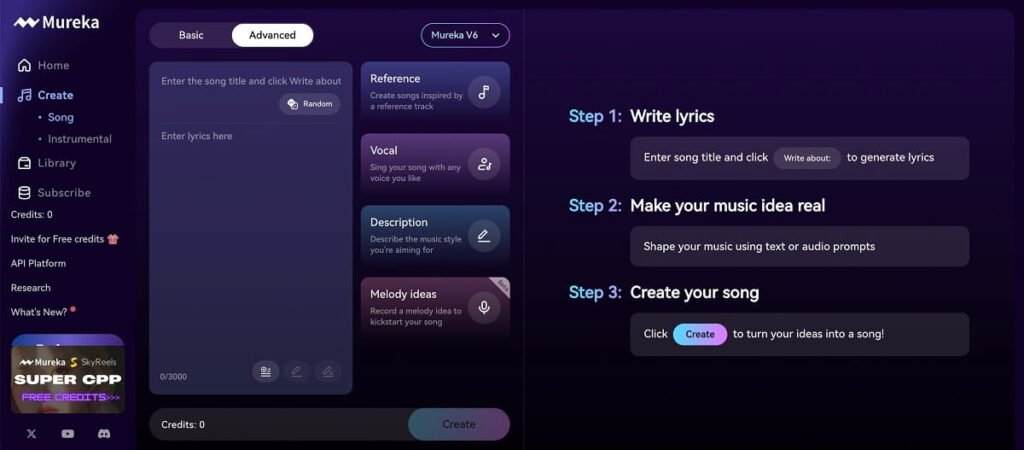
In just a few seconds, the system creates a track matching that description. This can include melody, instrumentation, mood, and structure. Depending on the prompt, it can also create vocals and lyrics. What makes this version stand out is its ability to work with images as well. Upload a photo, and the AI interprets the visual tone, lighting, and subject matter to create a soundtrack that fits.
A photo of a city street with neon lights can become a synth-heavy electronic track. A serene mountain landscape can inspire ambient acoustic music. The idea is simple: describe or show the vibe, and the tool handles the composition.
How Gemini AI Lyria 3 Works
Gemini AI Lyria 3 is built on large-scale generative models trained to understand both language and audio patterns. It analyses:
| Musical structure (tempo, key, rhythm) |
| Genre conventions |
| Instrument layering |
| Emotional tone |
| Context from text or imagery |
When you provide a prompt, the system translates descriptive language or visual cues into musical decisions. Words like “epic,” “lo-fi,” or “summer pop” trigger specific tempo ranges, instrument sets, and production styles.
For photos, it detects elements such as colour palette, movement, brightness, and subject. A dark, high-contrast image might lead to a minor key composition. Warm sunset tones may produce something softer and more melodic. The process feels less technical than traditional music production. You focus on the feeling. The AI handles the mechanics.
Who It’s For
Lyria 3 isn’t just designed for professional musicians. It’s for a more creative audience:
+ Content creators who need custom background music for videos
+ Marketers looking for quick branded soundtracks
+ Game developers creating mood-based environments
+ Musicians experimenting with ideas or overcoming writer’s block
Everyday users who simply want to turn a moment into a song Instead of spending hours browsing stock libraries, creators can create something original and personalised to their own concepts.
Gemini AI Lyria 3 The Big Picture
The Gemini AI Lyria 3 represents a major shift in creative technology. AI is moving beyond text generation to sound, video, and multimodal expression. Instead of choosing between writing, drawing, or composing, users can seamlessly switch between formats.
Also Read | Millennials are Tired. Gen-Z is Opting out. What Does this Mean for MBA Aspirants in India?