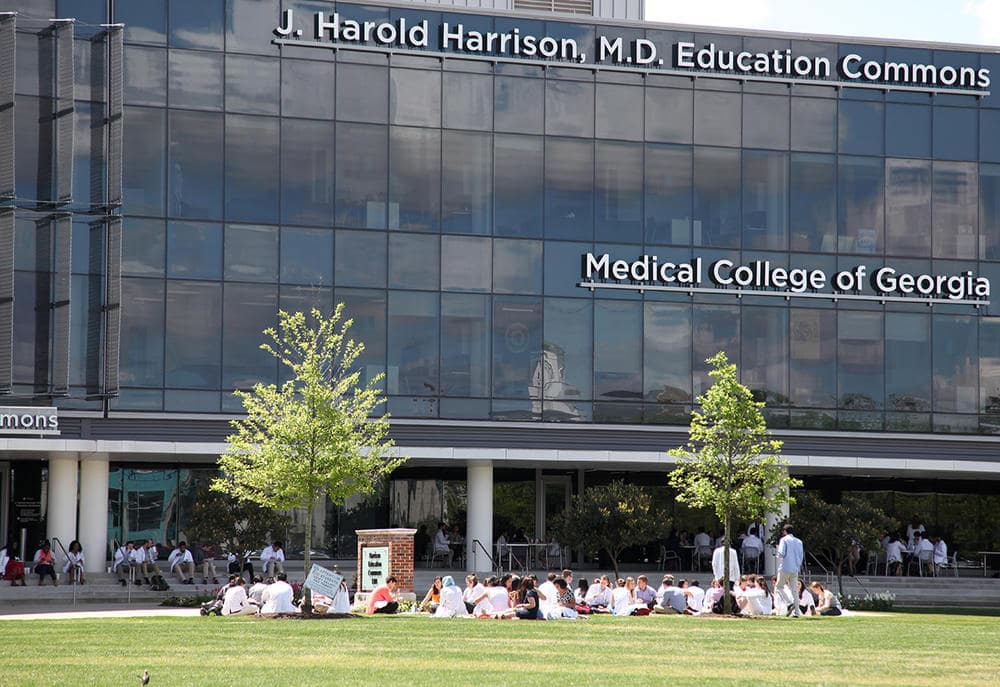
Doctors Graduating From Medical Colleges in Georgia: To be eligible to appear for the FMGE (Foreign Medical Graduate Examination) and register as a doctor in India, a foreign medical graduate must possess a license to practice medicine in the country where they obtained their degree. Merely working under supervision as a “Junior Doctor”, as is the case in Georgia, is not enough.
This clarification from the National Medical Commission (NMC) came after a candidate lodged a complaint on the PM’s grievance portal. The candidate had sought clarification regarding the validity of a six-year MBBS course completed in Georgia for the purpose of appearing for the FMGE in India.
The Foreign Medical Graduate Examination (FMGE) is a mandatory requirement for foreign medical graduates seeking registration to practice medicine in India.
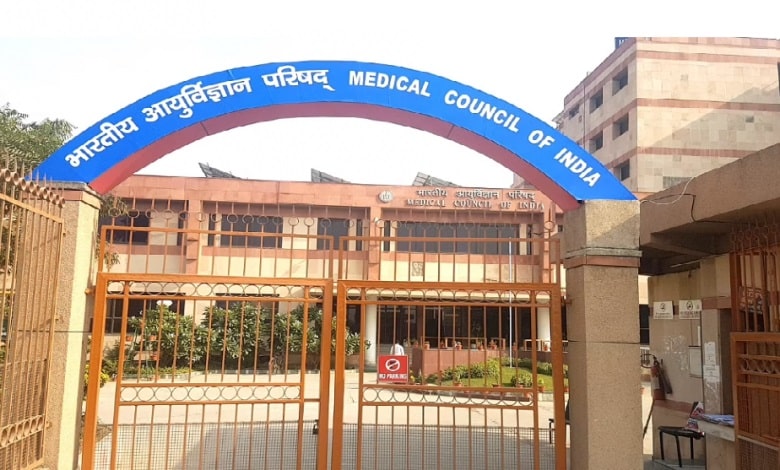
In its response, the NMC, India’s medical regulator, cited Regulation 4(b) of the National Medical Commission (Foreign Medical Graduate Licentiate) Regulations, 2021. This regulation imposes a crucial condition on Indian students who return to India to take the FMGE after completing their medical studies abroad.
According to the regulation, after completing a medical degree abroad, the candidate must be registered or licensed by the medical regulatory authority of that country to practice medicine independently, just as medical graduates from that country are licensed.
In its reply to the candidate, Bhavna, the NMC stated, “As per Regulation 4(b) of the FMGL Regulations, 2021, a foreign medical graduate must possess a license to practice medicine in the country where the medical degree was obtained, and this license must be equivalent to the license granted to the citizens of that country.”
Therefore, the status of ‘Junior Doctor‘ can be considered valid only if it permits practice at the legally required level. If independent medical practice in Georgia is permitted only after completing postgraduate certification, then merely holding the status of ‘Junior Doctor’ would not satisfy the conditions of Regulation 4(b).
Thus, the matter will be decided based on the laws and licensing requirements applicable in Georgia,” the NMC added. Bhavna stated that education consultants, in collaboration with several colleges in Georgia, are misleading students by misrepresenting the regulations governing medical education in the country.
She said, “These consultants claim that if you practice as a “Junior Doctor” either during or after completing your six-year MBBS course (referred to as MD in Georgia), you become eligible to appear for the FMGE exam in India upon completion of the course. However, the NMC’s response clarifies the situation.”
The Indian Embassy in Yerevan, Armenia, which previously handled India’s diplomatic representation for Georgia as well, had issued an advisory in September 2022 for Indian students seeking admission to Georgian medical colleges.
The advisory stated that Indian students could work as ‘Junior Doctors‘ after completing their undergraduate medical studies. However, to practice as an independent doctor, they would need to pass the National Post-Diploma Qualification Examination (NPDQE) in the Georgian language, undergo postgraduate studies or residency in their chosen speciality, and obtain a license for independent practice.

According to aspiring medical students and consultants, the implementation of NMC Regulation 4(b) has made it difficult for students to determine which countries grant licenses for independent medical practice upon completion of their primary medical qualification.
This has led to confusion, as some consultants and colleges are interpreting the rules in ways that may not accurately reflect actual licensing requirements.
Since the implementation of the 2021 FMGE regulations, an estimated 30,000 to 40,000 Indian students have enrolled in various medical colleges in Georgia
Since the implementation of the 2021 FMGE regulations, an estimated 30,000 to 40,000 Indian students have enrolled in various medical colleges in Georgia; many of them may be unaware that they will not be eligible to take the FMGE exam simply by returning after completing their six-year program.
An education consultant remarked, “They will only realise the reality after returning from the course. The National Medical Commission (NMC) and the Indian Embassy should issue a clear advisory to safeguard the future of the thousands of students aspiring to pursue an MBBS in Georgia.
Also Read: List of the Top 10 Research Institutions in India Based on NIRF Ranking 2025