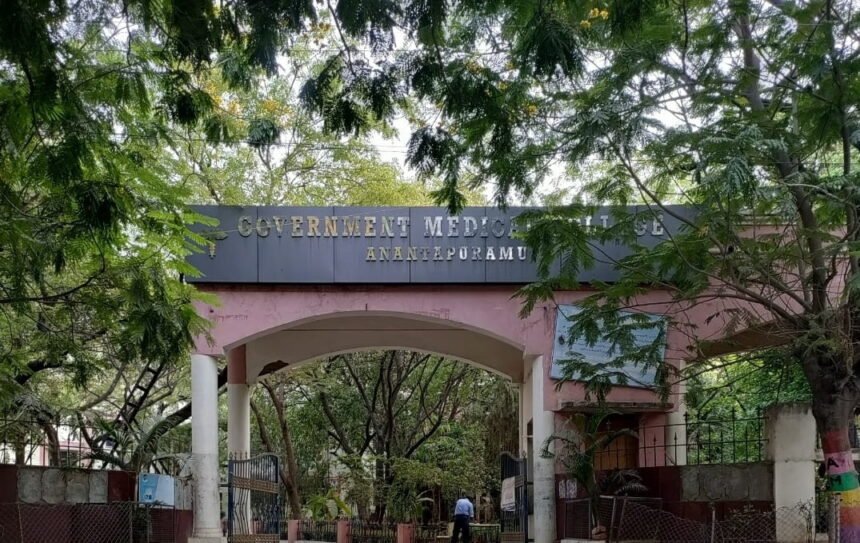
NEET UG Counselling 2026: Following the declaration of NEET UG 2026 results, candidates are now focusing on NEET counselling. Completing the counselling process is essential to secure admission to a medical college. Seats in government medical colleges are allotted under two categories: the 15% All India Quota and the 85% State Quota.
While many candidates aspire to secure MBBS or BDS seats through the State Quota, doing so requires meeting the specific domicile and residency rules of the respective state. So, it is very important to fully understand the eligibility criteria of your state before applying for counselling. Let us now look at the complete process for applying to MBBS or BDS courses under the State Quota.
What is the State Quota?
In government medical colleges, 85% of MBBS and BDS seats are filled under the State Quota. To secure admission to these seats, a candidate must be a resident of that specific state. Eligibility is determined based on factors such as domicile status, permanent residence, having pursued education within the state, nativity, or parents holding government jobs. Each state formulates its own rules for State Quota seats.

Who is Responsible for All India Quota and State Quota Counselling?
The Medical Counselling Committee (MCC) conducts counselling for the 15% All India Quota at the national level; any eligible candidate from across the country can apply for these government medical college seats. Meanwhile, the respective state’s counselling authority manages admissions for the 85% State Quota seats, and only candidates who meet the specific eligibility criteria of that state can apply for them.
Who can apply for state quota seats?
State quota rules vary across states; some states allow applications based solely on a domicile certificate, while others consider factors such as a candidate’s schooling or the duration of their residence there as the basis for eligibility. In states like Bihar, Haryana, Himachal Pradesh, Jharkhand, Madhya Pradesh, and Sikkim, a state domicile certificate is generally considered mandatory.
However, candidates who have completed their schooling up to a specific grade in states like Delhi, Assam, and Goa may also be eligible for the state quota. In Maharashtra, apart from holding domicile status, candidates who have resided in the state for an extended period are considered eligible.
Additionally, in several states, including Uttar Pradesh, Rajasthan, Punjab, Kerala, and Tamil Nadu, eligibility is determined based on documents such as residence certificates, domicile certificates, or nativity certificates. Some states also have special provisions for the children of government or defense personnel.
Important Note: Please check the eligibility requirements for your state before applying.
How do you Apply for State Quota Counselling?
Once the state counselling process begins, candidates must register online by visiting the official counselling website of the respective state. Subsequently, they are required to complete procedures such as document verification, choice filling, seat allotment, and reporting. Seat allotment is based on NEET scores, merit, reservation rules, and the candidate’s preferences.
Also Read: NEET UG Counselling 2026 Registration Begins Today. Watch Official Tutorial Videos for Assistance