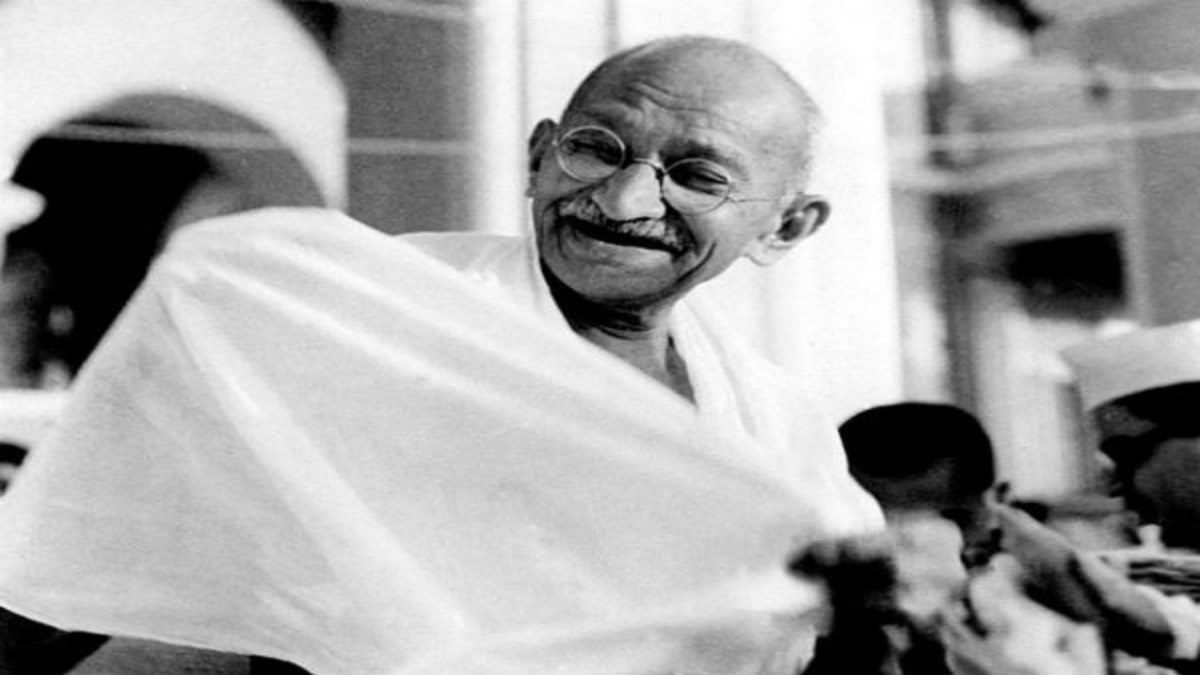
On Friday, October 2, 2026, Rashtrapita Mahatma Gandhi’s 157th birth anniversary will be celebrated across India. This day is observed to commemorate his role in the nation’s struggle for independence and to honour his principles of truth and non-violence.
Prayer meetings, tribute ceremonies, and commemorative events are organised on this day. Additionally, the United Nations observes this date as the ‘International Day of Non-Violence.’ The Government of India’s national portal lists October 2, Mahatma Gandhi’s birthday, as a gazetted holiday.
Why is Gandhi Jayanti Celebrated Every Year on October 2nd?
Mohandas Karamchand Gandhi was born on October 2, 1869, in Porbandar, Gujarat. His leadership, relentless struggle for freedom, and unique political ideology transformed the Indian independence movement.
The significance of October 2nd extends far beyond India. In 2007, the United Nations General Assembly adopted a resolution to observe October 2nd as the International Day of Non-Violence, acknowledging Gandhi’s profound global impact on civil rights and peace movements.
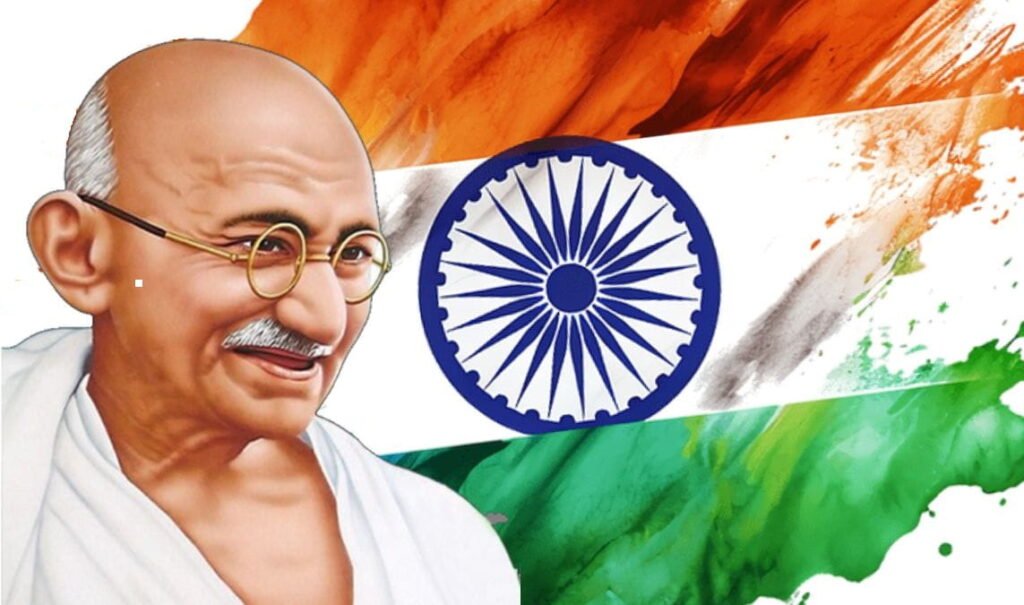
History of Rashtrapita Mahatma Gandhi Jayanti
Since independence, Mahatma Gandhi’s birthday has been celebrated as a significant national occasion in India. Over the decades, October 2nd has evolved into a day when institutions, schools, government organisations, and communities commemorate his contributions and discuss the values associated with his public life.
This day holds special significance because Gandhi’s contributions were not limited merely to the political struggle for independence. His ideas encompassed social issues such as communal harmony, respect, equality, rural development, self-reliance, and the importance of peaceful dialogue. Therefore, Gandhi Jayanti serves both as an occasion to commemorate a historic figure and as an opportunity to discuss the enduring relevance of these principles.
Why is October 2nd significant in India?
October 2nd holds a special place in India’s national calendar for several reasons. Here are some of the key reasons:
1. Birth Anniversary of Mahatma Gandhi: The primary significance of this day is the birth anniversary of Mahatma Gandhi ji. His leadership played a pivotal role in India’s struggle for independence, and his philosophy of non-violence became the hallmark of that movement.
2. A Day Dedicated to Non-Violence: Gandhiji’s philosophy placed non-violence at the core of political and social action. His movements demonstrated how mass participation and peaceful protest could be utilized to challenge colonial rule.
The United Nations observes October 2nd as the ‘International Day of Non-Violence,’ a day established by the General Assembly resolution 61/271 in 2007. This resolution calls for disseminating the message of non-violence through education and public awareness.
3. A Reminder of Truth and Ethical Public Life: Gandhiji deeply linked public service with truth and personal responsibility. Consequently, educational institutions and public organizations often use Gandhi Jayanti to foster discussions on integrity, responsibility, peaceful coexistence, and civic values.
4. Significance for the Youth: For students, October 2nd offers an opportunity to understand India’s freedom struggle beyond mere dates and historical events. Gandhiji’s life raises significant questions regarding leadership, peaceful protest, social responsibility, and the role of the individual in driving social change.
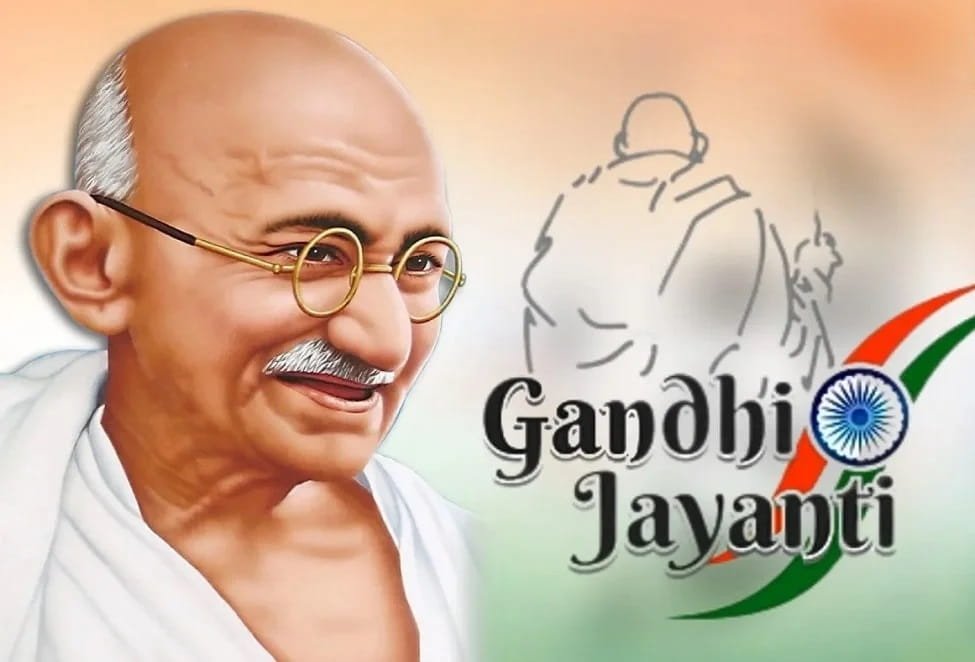
Thus, Mahatma Gandhi Jayanti 2026 will be observed both as a national event in India and as a broader international occasion centered on non-violence. The day of October 2nd links Gandhiji’s historic role in India’s struggle for independence to the global discourse on peaceful protest, dialogue, and tolerance.