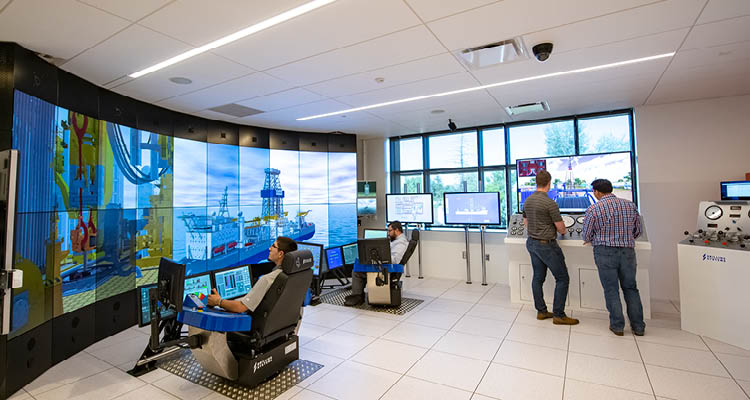
Engineering Education in 2026: In the era of Artificial Intelligence (AI), the role of an engineer is no longer limited to that of a coder or designer; they have evolved into system orchestrators who manage and coordinate complex processes. Engineers now leverage smart tools, such as AI assistants and generative design, to automate repetitive tasks and create complex, real-world solutions with unprecedented speed and efficiency.
Artificial Intelligence has revolutionised the way software is created. Code can now be generated in minutes, testing can be automated, and development cycles, which previously took weeks, are rapidly shrinking.
To become a successful engineer in India in 2026 and beyond, you must shift your mindset from being a “code-first” specialist to a “problem-first” innovator. While technical expertise remains the foundation, the industry now places greater value on a blend of cross-disciplinary knowledge, soft skills, and the adaptability required to succeed in specialised fields.
1. Engineering Education in 2026: High-Demand Emerging Specializations
Beyond traditional branches, these areas are witnessing rapid growth due to India’s focus on infrastructure, digital transformation, and green energy. Here, information is provided regarding the skills and specialisations essential for the future of engineering education in India.
| Specialization | Focus Area | Why it’s Growing |
| AI & MLOps | Deployment and maintenance of AI models. | Every industry is integrating “Agentic AI.” |
| Cloud Engineering | AWS, Azure, and distributed systems. | Core requirement for modern SaaS and enterprise infra. |
| Cybersecurity | Ethical hacking, data protection, blockchain. | Essential as digital payment systems expand. |
| Renewable Energy | EV technology, smart grids, solar. | India’s aggressive “net-zero” transition. |
| Robotics & IoT | Industrial automation, sensor fusion. | Crucial for “Make in India” manufacturing growth. |
| Bioinformatics | Computational biology, genomics. | Rising investment in medical-tech and biotech. |
2. Engineering Education in 2026: Essential “Future-Proof” Skills
These are universal skills that will set you apart from others, regardless of your engineering specialization.
A) Technical Knowledge (Modern Toolkit) and Data Literacy: This is no longer exclusive to data scientists. To derive business insights from technical data, you need to be proficient in SQL, Python (Pandas/NumPy), and visualisation tools (Tableau/Power BI).
B) Digital Design and Simulation: Mastering tools like MATLAB, ANSYS, or SolidWorks allows you to test concepts virtually, saving both time and resources.
C) Prompt Engineering and AI Tools: Don’t just “know about” AI; learn how to use it to automate repetitive technical tasks, generate code documentation, or debug complex architectures.
D) Professional and Soft Skills: Communication and Storytelling: The ability to explain complex technical solutions to non-technical stakeholders (clients, management, or investors) often determines the difference between a leader and an individual contributor.
E) Adaptability and Lifelong Learning: The “half-life” (useful lifespan) of technical skills is shrinking. Your ability to self-learn new frameworks or languages in a matter of weeks is more valuable than your university GPA.
F) Business Acumen: Understanding the rationale behind a project, market needs, ROI, and startup dynamics helps you create solutions that actually solve business problems, rather than just writing perfect code. Project Management: Mastering methodologies like Agile and tools such as Jira or Trello ensures you can contribute effectively within a team environment.

3. Engineering Education in 2026: Alternative career paths for engineers
If you feel your strengths lie outside of pure technical development, your engineering background provides an excellent foundation for these rewarding roles:
A) Product Management: Leveraging your technical background to bridge the gap between engineering teams and user needs.
B) Business/Financial Analytics: Applying engineering logic to financial modelling and market research (e.g., investment banking, fintech).
C) Consulting: Helping companies solve operational or technical challenges.
UI/UX Design: Combining research on human behaviour with technical constraints.
4. Engineering Education in 2026: Strategic advice for 2026
A) Practical experience is paramount: Prioritise internships, hackathons, and real-world projects. Recruiters today often value a GitHub profile or a portfolio of completed projects more than academic scores. Build your personal brand: Use LinkedIn to document your learning journey. Share details about the projects you are working on, the problems you have solved, and your insights on industry trends.
B) Build vertical networks: Connect with professionals in your target industry who are 3–5 years ahead of you; they can offer the best advice regarding current shifts in hiring practices.
Engineering Education in 2026: The future belongs to the “T-shaped” engineer, someone who possesses deep expertise in a core subject area but also has the broad capability to collaborate across disciplines and adapt to new technologies.
Also Read: Delhi University Announces Admissions for Undergraduate Programs for 2026