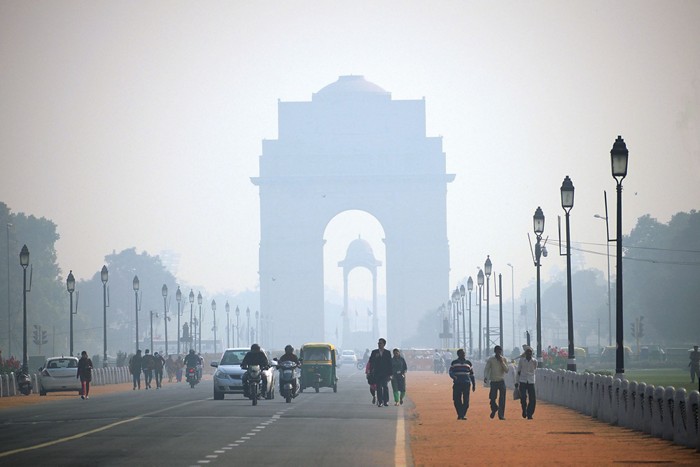
Delhi Pollution: What happened? China, through its embassy in India, publicly shared a detailed playbook of policies and measures that Beijing has used to improve air quality over the past decade. The offer comes as Delhi’s air quality has deteriorated to the “very poor” category, with toxic smog impacting health, visibility, travel, and daily life.

Delhi Pollution: What China is Suggesting
The Chinese embassy (spokesperson Yu Jing) outlined the major steps Beijing took when it faced a similar situation:
+ Strict emission standards for vehicles and phasing out older, more polluting vehicles.
+ Limiting the number of vehicles through measures such as license-plate controls and odd/even driving restrictions.
+ Massive expansion of public transport (metro, buses) and promotion of electric vehicles.
+ Industrial restructuring, including shutting down or relocating highly polluting industries and repurposing vacant spaces.
+ Regional coordination to reduce pollution not only within the city but also in neighboring areas. China emphasized that the real improvement in Beijing’s air quality came from sustained, coordinated efforts, not from quick fixes.
Delhi Pollution: Why it Matters
Delhi’s air pollution is a recurring crisis, particularly during the winter months due to stagnant weather conditions, vehicular emissions, dust, construction, and crop burning in neighboring states. Existing measures in Delhi have largely been short-term and reactive (such as temporary bans and emergency plans), rather than long-term structural changes.
Delhi Pollution: Politics and Accountability
China’s suggestion has sparked a debate: Some political figures in India criticize local governments for not undertaking sufficient long-term planning and implementation. Others view China’s input as political or unsolicited advice, which has triggered discussions about sovereignty and the appropriateness of foreign commentary.
Experts also point out that replicating the Chinese model in India is not easy due to differences in governance, federal systems, division of powers, and socio-economic realities, all of which affect coordinated action.