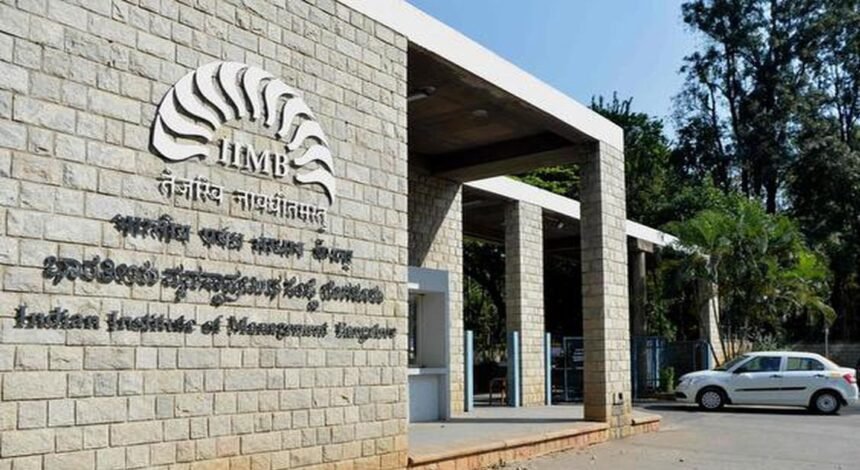
Bengaluru, formerly known as Bangalore, has emerged as a major force in the global technology landscape. Often referred to as “India’s Silicon Valley,” the city’s journey, transforming from a quiet “Garden City” into a bustling, world-renowned hub of innovation, is a fascinating tale of strategic vision, demographic advantages, and rapid industrial evolution.
Historical Foundation: Science and Aerospace
Even before the software boom of the 1990s, Bangalore was already establishing itself as a center for scientific advancement. In the years following India’s independence in 1947, the city became a focal point for government investment, particularly in public sector industries such as aerospace, telecommunications, defense, and heavy equipment manufacturing. Institutions like the Indian Institute of Science (IISc) provided a robust academic foundation and fostered an environment that prioritised research and technical expertise long before the term “IT sector” had even entered the public consciousness.

The 1980s: A Pivotal Turn in Liberalisation and Technology
Bangalore’s growth trajectory shifted rapidly during the 1980s. When India implemented new computer and software policies that facilitated easier imports and exports, the city was perfectly positioned to capitalise on the opportunity. In 1985, Texas Instruments took a major step by establishing the city’s first multinational development center. This marked a crucial turning point; it signalled to the global market that Bengaluru possessed not only the necessary infrastructure but also a vast pool of skilled engineering talent, and at a fraction of the cost compared to Western markets.
Subsequently, domestic giants like Wipro and Infosys emerged. They played a key role in rapidly propelling an industry that would eventually account for a significant share of India’s IT exports. The availability of talent and a supportive policy environment combined to create a “network effect”: as more companies set up operations, the city attracted even more talent, which in turn encouraged other global giants like Microsoft, IBM, and Google to establish a presence there.
Innovation Ecosystem: Today, Bangalore is home to over 400 global research and development centers
Today, Bangalore is home to over 400 global research and development centers, and its startup ecosystem ranks among the best in the world. The city has consistently featured among the world’s top startup hubs, attracting approximately 40% of India’s total startup funding in recent years. The moniker “Silicon Valley of India” refers not merely to the volume of people, but to the nature of the work being done here; Bengaluru has evolved from an outsourcing “back-office” destination into an R&D hotspot.
It is now a pivotal hub for deep tech, encompassing fields such as Artificial Intelligence (AI), Machine Learning (ML), and robotics. The city’s ability to foster unicorn companies, those valued at over $1 billion, like Flipkart, Swiggy, and Ola, demonstrates its role in developing homegrown solutions for complex, large-scale challenges.
Talent and Demographics: Human Capital
A major reason for this success is the city’s unique demographic profile. Every year, a large number of engineers graduate from Bangalore’s numerous technical and research institutions, ensuring a steady supply of fresh, skilled talent. This talent pool, characterised by exceptional technical proficiency and an entrepreneurial spirit, is arguably the city’s greatest strength. Furthermore, the city has become a melting pot of cultures, attracting professionals from across India and the globe.
This cultural diversity and high quality of life, despite challenges such as traffic and infrastructure, generate a “distinct energy.” Professionals often cite this energy as a key reason for their career growth and their decision to stay in the city long-term.
Challenges and Future Prospects
Despite the accolades, Bangalore grapples with the common challenges faced by rapidly growing metropolises. Issues such as traffic congestion, infrastructure deficits, and rising costs are well-known. However, industry observers believe that for most tech professionals, the benefits, such as networking opportunities, proximity to industry giants, and a vibrant tech ecosystem, far outweigh these drawbacks.
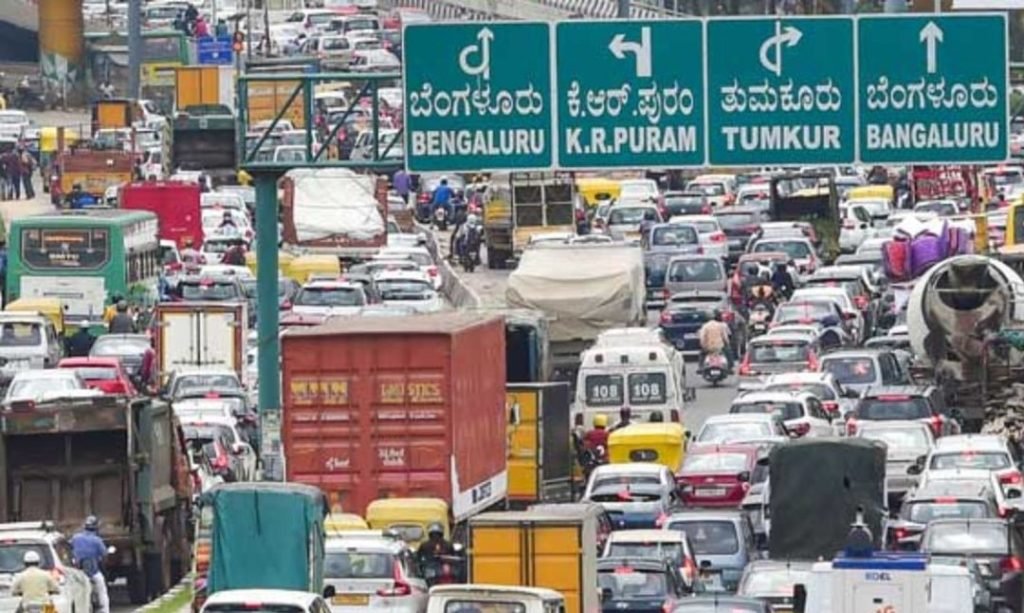
As the global economy advances into the era of AI and LLMs, Bangalore will remain at the heart of this conversation. The city’s transformation over the past six decades stands as a testament to what happens when academic rigour meets entrepreneurial zeal. It is no longer merely India’s “Silicon Valley”; for many, it is a global tech hub in its own right, setting the pace for innovation in the 21st century.