
The US and Israel have declared a temporary ceasefire in the current conflict with Iran, marking the first significant break in the weeks-long escalating military standoff in the Middle East. The agreement, described by officials as a two-week conditional truce, was reached after urgent diplomatic efforts involving Pakistan and several international intermediaries.
The ceasefire comes after a period of intense military exchanges that raised fears of a broader regional war. In recent weeks, U.S. and Israeli strikes targeted Iranian military infrastructure, oil facilities, and strategic installations, while Iran responded with missile and drone attacks aimed at military bases and shipping routes linked to Western allies. The conflict also disrupted global energy markets, especially after threats to close the Strait of Hormuz, one of the world’s most important oil transit corridors.
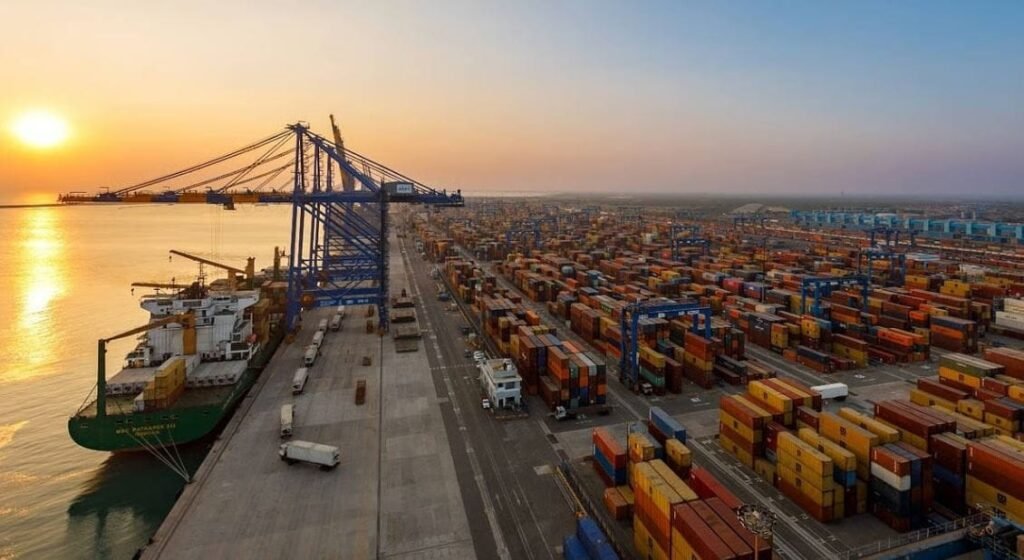
According to initial statements, Iran has agreed to temporarily reopen the Strait of Hormuz as part of the ceasefire arrangement. In return, Washington has suspended immediate plans for further strikes on Iranian infrastructure. U.S. President Donald Trump described the agreement as a necessary pause to create room for diplomacy, while also warning that military action could resume if negotiations fail.
Israel Confirmed Support for the Ceasefire
Israeli officials confirmed support for the ceasefire but made clear that their military operations are not fully suspended across all fronts. Prime Minister Benjamin Netanyahu stated that Israeli actions in Lebanon remain outside the current agreement, creating immediate doubts about how stable the ceasefire will be. Reports from Beirut indicate that Israeli airstrikes continued even after the ceasefire announcement, particularly against positions linked to Hezbollah.
Iran has also signaled caution. Tehran’s leadership says its compliance depends on reciprocal restraint from both Washington and Tel Aviv. Iranian negotiators continue to insist on maintaining uranium enrichment rights, while the United States demands tighter limits on Iran’s nuclear and missile programs before any lasting settlement can be reached. These unresolved disagreements suggest that the ceasefire is more a pause than a final peace agreement.
European Leaders Welcomed the Announcement
International reaction has been largely supportive. European leaders welcomed the announcement as an opportunity to prevent wider instability in the region. The European Union urged all sides to respect the truce and move quickly toward formal negotiations that could produce a broader political settlement.
Despite cautious optimism, military analysts warn that the ceasefire remains fragile. Continued attacks in Lebanon, disagreements over enforcement, and conflicting interpretations of the agreement all threaten its survival. Energy markets, shipping companies, and regional governments are closely watching whether the next two weeks produce genuine diplomacy or merely delay another round of confrontation.
For now, the ceasefire offers temporary relief in a conflict that had begun to alarm governments far beyond the Middle East. But whether it becomes the foundation for peace or simply an interruption before renewed fighting depends on what happens at the negotiating table in the coming days.
Also Read: A New Era of Billions: How the IPL Changed Cricket Forever