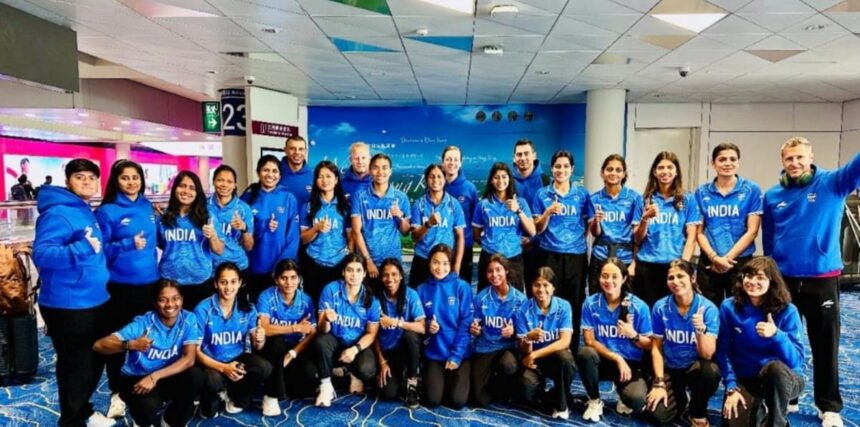
It appears that Hockey India has reversed its controversial decision to make saffron the primary color for Indian hockey teams. Both the men’s and women’s teams will now wear their traditional blue jerseys at the upcoming Asian Games in Japan.
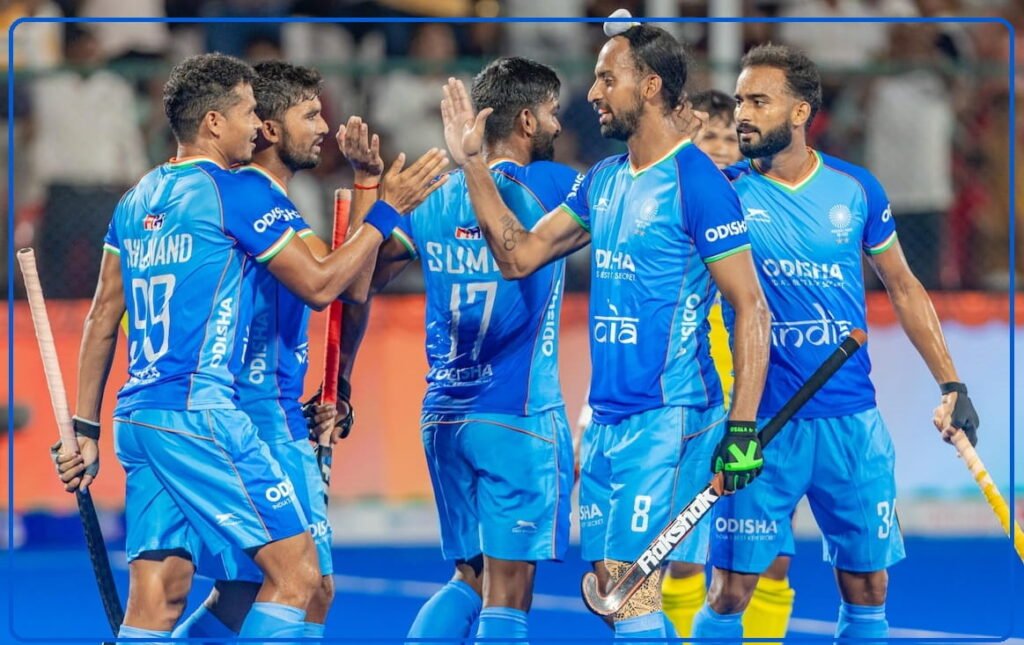
This decision comes just weeks after the saffron kit became a talking point during the FIH Hockey World Cup held in the Netherlands and Belgium. Before that tournament, Hockey India had switched from its classic blue jersey to saffron, citing technical reasons, such as visibility issues against the blue turf, for the change.
However, the move drew criticism from several former Indian captains and sparked internal discord within the federation. Now, as the teams prepare for the Asian Games, blue will once again be the primary choice, with saffron retained as a secondary option.
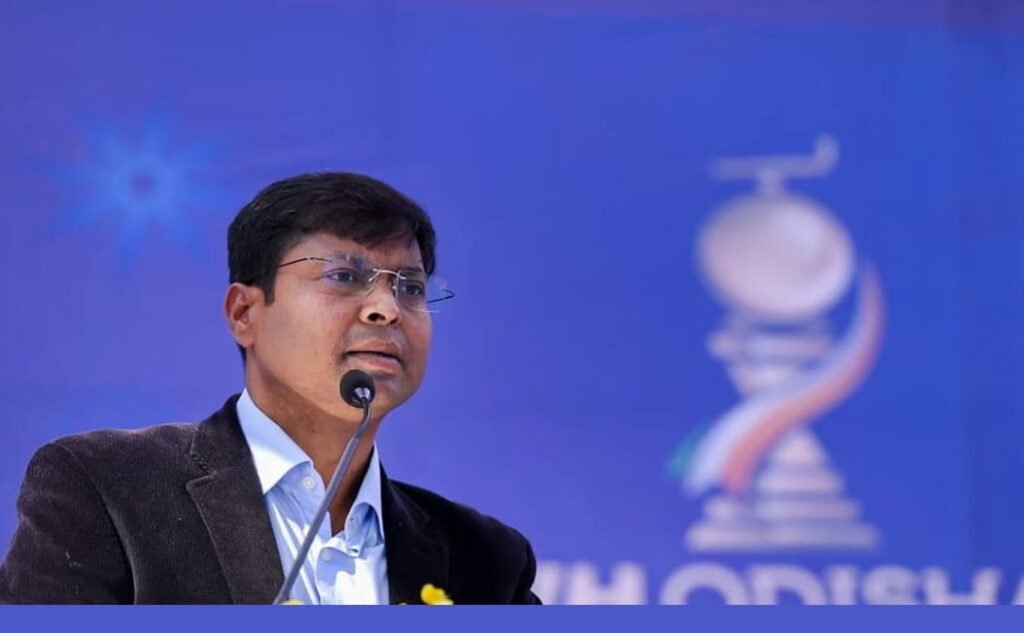
Hockey India Treasurer Shekhar Manoharan said
Hockey India Treasurer Shekhar Manoharan said on Tuesday, “The Indian Olympic Association (IOA) had asked us about our preferred kit; Hockey India has prioritized blue as the first choice and selected saffron as the second option.”
Uproar Over Adopting Saffron
Hockey India announced this change on July 27, stating that the decision was based on the feedback of players and coaches. According to the federation, wearing a blue jersey on a blue turf could make it difficult to spot players on the field, whereas yellow and orange would have been viable alternatives. Ultimately, saffron was chosen due to its association with the Indian national flag.
However, the decision soon became mired in controversy. Former Indian captains such as Pargat Singh, Dhanraj Pillay, Ajit Pal Singh, and Viren Rasquinha questioned the move to abandon the color that had long been the identity of Indian hockey.
The controversy deepened when Hockey India President Dilip Tirkey revealed, via an internal communication, that he had not been consulted regarding this change. Tirkey clarified that he had no issue with the color saffron itself; rather, he objected to the fact that the decision was taken without being presented to the federation’s elected leadership and executive board.
The matter even entered the political arena; former Odisha Chief Minister Naveen Patnaik criticized the move, alleging that the change was driven by political motives. Even India’s World Cup campaign did not quell the debate surrounding this technical rationale. The men’s team finished eighth with two wins from six matches, while the women’s team secured fifth place, marking India’s best-ever performance in the tournament.
Also Read: International Literacy Day 2026: History, Theme, and Why It Is Celebrated on September 8