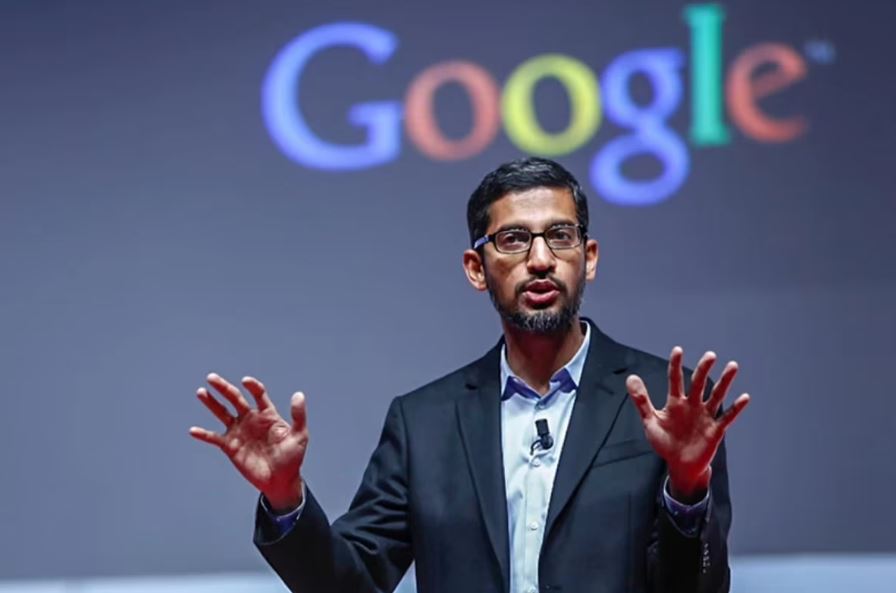
Google and Alphabet CEO Sundar Pichai sent a video message to mark the 75th anniversary of IIT Kharagpur. In the message, he reminisced about small yet significant college memories, such as eating at ‘Harry’s,’ the ‘Illu’ festival, nights spent studying in room B-308, his wingmates, and the professors who supported him.
Sundar Pichai noted that he met his wife, Anjali, on campus; it was here that he first learned programming and used to walk around with a floppy disk, hoping to secure time on one of the few available machines. He said, “These moments shaped the trajectory of my life and led me to Google.”
The final point is the most significant. The message posted by IIT Kharagpur on X serves a dual purpose: it evokes nostalgia while offering a glimpse into the future. Pichai, who graduated with a B.Tech in Metallurgical Engineering in 1993, reflects on the milestone while discussing where Artificial Intelligence (AI) is headed over the next five years. He further emphasises that it is not just tech companies, but also universities, that will determine whether AI reaches those who do not currently use it.

Sundar Pichai’s IIT Kharagpur Memories: Harry’s, Illu, and Room B-308
Unique details make it memorable. Room B-308 in Nehru Hall is an ordinary hostel room, bed, study table, chair, wardrobe, yet it has quietly become a special place on campus. Currently, a final-year chemical engineering student resides there. Incidentally, metallurgy is not typically considered a top-tier engineering discipline in India, which perhaps adds to the room’s unique allure.
Sundar Pichai described the education he received at the institute as “truly a gift,” noting that IIT Kharagpur played a pivotal role in “shaping the perspective with which I try to impact the world.” He also highlighted the remarkable strides made by the institute’s graduates, both in India and abroad.
Sundar Pichai’s Prediction for AI: From Labs to Farmers, Doctors, and Government Offices
His vision for the future has garnered significant attention. Sundar Pichai remarked, “When I think about the next five years, I see AI moving beyond labs and early adopters to reach the hands of those doing the actual work, healthcare workers, government officials, farmers, developers, and entrepreneurs.”
This statement is deliberate. He envisions AI not merely as an experimental tool, but as an integral part of people’s existing work. He added, “We are building AI to help all of us perform our jobs at a higher level and in a more fulfilling way.” This aligns with Alphabet’s strategic direction.
Under Sundar Pichai’s leadership, AI has been integrated into Search, Cloud, and the Gemini model family, a shift identified as a core component of the company’s strategy in its regulatory filings. The prediction that AI will permeate everyday tasks also outlines Google’s product roadmap.
IIT Kharagpur’s 75 Years: Why Sundar Pichai is Betting on Students
Speaking about India, Sundar Pichai noted that the country is witnessing rapid innovation capable of benefiting the entire world, and that an “ambitious and optimistic new generation of Indians” has the opportunity to reimagine what is possible. He argued that while AI can amplify this potential, universities play a crucial role in ensuring the technology serves everyone rather than being confined to a select few, a mission that also stands as the institute’s primary goal for the next 25 years.
He attributed much of the current momentum to the students. He recalled meeting ‘Gemini Student Ambassadors’ from across India at the AI Impact Summit held in Delhi earlier this year, stating, “Their enthusiasm for using technology to improve lives was palpable, and that is why I am so optimistic about the future.” He added that IIT Kharagpur’s role “will become even more pivotal as you lead the next wave of technology.”
Responding to this message, the institute described it as a reflection of the “long-standing global impact of the IIT ecosystem” and stated that it now looks forward to “fostering new ideas, inspiring generations, and creating solutions that positively impact India and the world.” After IIT Kharagpur, Pichai went to Stanford University and then the Wharton School.
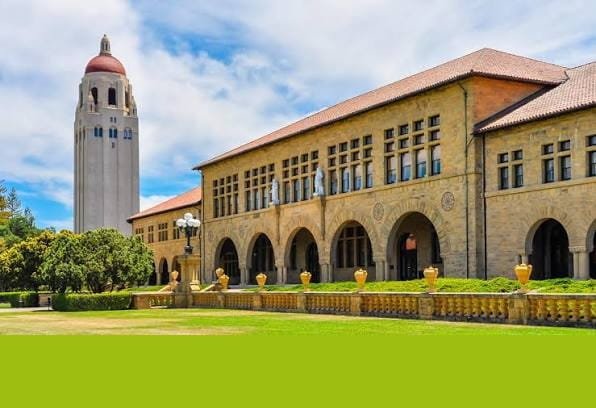
He joined Google in 2004, working on the Toolbar and Chrome before overseeing product and engineering for the company’s core platforms. He was appointed CEO in 2015 and assumed leadership of Alphabet in December 2019.
Also Read: Who is Singai G. Ramachandran? A journey from IIMA to Chairperson of the Tamil Nadu Startup Mission