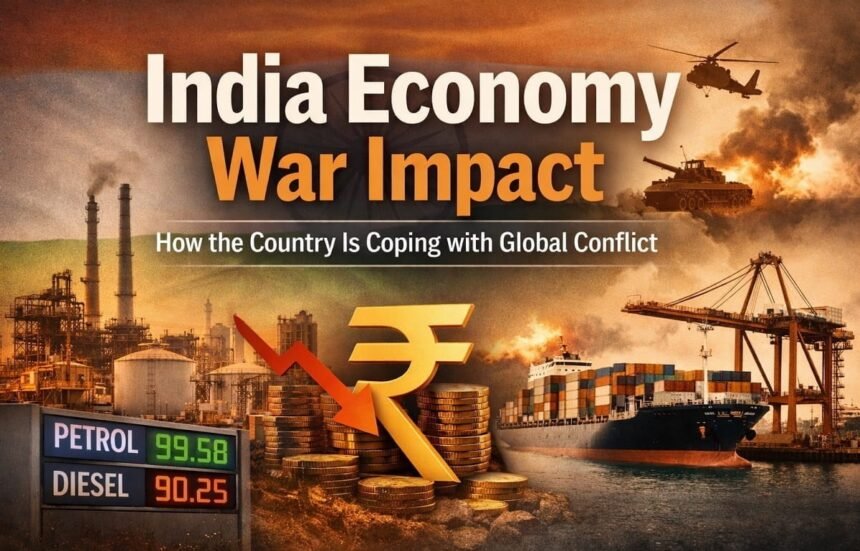
The Indian economy is going through a challenging global environment, which is affected by war, unstable energy prices, blockages in shipping routes, and an uncertain attitude from investors. Although the country has avoided direct military involvement in current international conflicts, the economic results of these wars are appearing as high import costs, inflation risks, and trade uncertainty.
- Oil Remains the Primary Source of India’s Economic Dependence.
- Indian Economy: Inflation Pressure Reaches Households Gradually
- Indian Economy: Shipping Disruptions Are Increasing Business Costs
- Financial Markets React Faster Than the Real Indian Economy
- Perspective: The Indian economy is currently stable, but it could weaken if the conflict increases.
For a nation that imports most of its crude oil and is highly dependent on sea trade, every geopolitical turmoil has instant financial repercussions. Despite this and the frequent disruptions, India has managed to lessen the worst impacts so far; this was helped by adaptable policies, strategies for varied supply sources, and strong internal demand.
Oil Remains the Primary Source of India’s Economic Dependence.
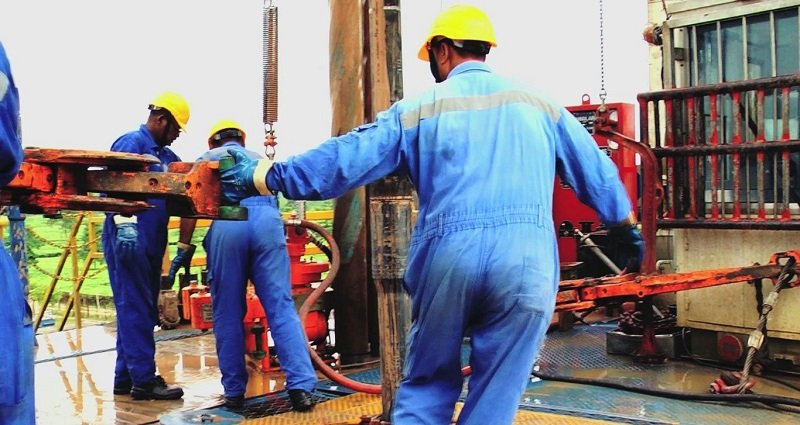
India imports roughly 85% of its crude oil needs, making the global energy market the most direct way for economic pressures from geopolitical conflicts to be felt. This impact became apparent after the Russia-Ukraine war, when global crude oil prices shot up, forcing major importers to rethink their supply chains.
India responded by sharply increasing purchases from Russia, where crude oil was available at discounted rates despite Western sanctions. This helped reduce pressure on domestic fuel prices and enabled Indian refiners to sustain their profit margins.
State-owned refiners like Indian Oil Corporation and private players such as Reliance Industries adjusted their import baskets, thereby helping to shield consumers from the full impact of the sudden surge in international prices. While this strategy proved effective in the short term, analysts warn that a prolonged conflict in oil-producing regions could still raise India’s annual import bill significantly. A sustained rise in crude oil prices, from $75 to $100 per barrel, would add billions of dollars to import costs and further exacerbate fiscal pressures.
Indian Economy: Inflation Pressure Reaches Households Gradually
In India, war-driven inflation often appears first in the prices of transportation, cooking fuels, and food items, rather than immediately appearing in financial indices. When supply chains are disrupted due to conflict, imported edible oils, fertilisers, and industrial raw materials become more expensive. For consumers, this translates into a steady rise in daily costs:
| Higher prices for LPG refills |
| Increases in bus, taxi and transport fares |
| Increase grocery bills |
| Escalating prices of packaged goods |
The impact is gradual, yet pervasive. Economists note that food inflation becomes particularly sensitive when delays in freight movement coincide with domestic supply disruptions caused by adverse weather conditions. This creates a policy challenge for the Reserve Bank of India, which must balance inflation control without significantly stifling economic growth.
Indian Economy: Shipping Disruptions Are Increasing Business Costs
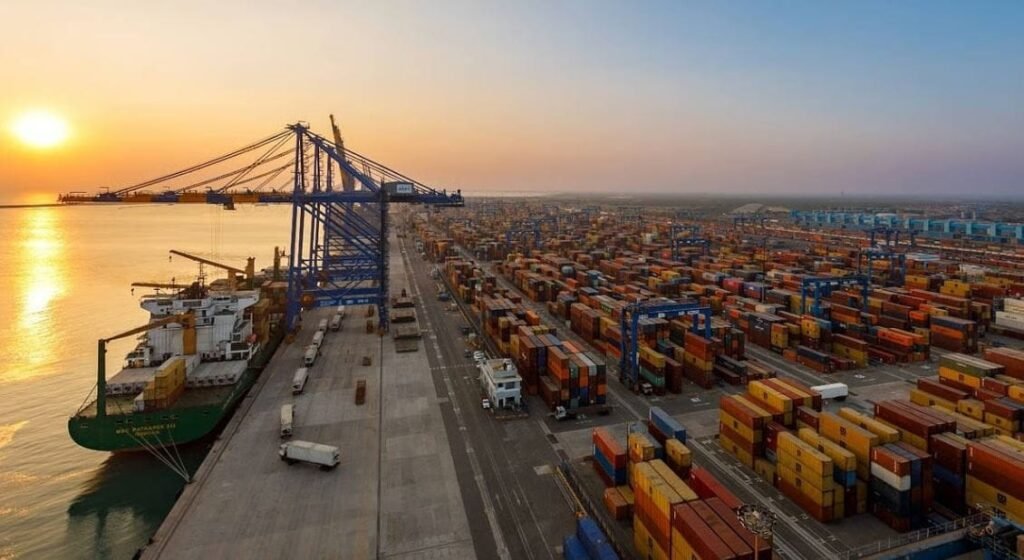
Global conflicts have also exposed India’s dependence on maritime routes. Due to tensions in the Red Sea and surrounding trade lanes, cargo vessels are being forced to alter their routes, resulting in increased freight costs and extended delivery times. Indian exporters and importers are facing higher insurance premiums and slower movement of goods, particularly on routes bound for Europe. The industries affected by this include:
| Engineering Goods |
| Textile Sectors |
| Pharmaceuticals |
| Auto Parts |
If vessels opt to bypass high-risk maritime zones, cargo that previously took three weeks to arrive may now take over a month to reach its destination. This drives up costs across the entire supply chain and diminishes the competitiveness of exporters. This pressure is particularly pronounced in sectors that operate on very thin profit margins.
Financial Markets React Faster Than the Real Indian Economy
India’s financial markets often absorb geopolitical shocks even before the broader Indian economy does. When international conflicts escalate, the NIFTY 50 and BSE SENSEX typically see immediate volatility. During times of uncertainty, foreign investors often shift their capital into safer assets, such as US bonds, leading to a temporary outflow of capital from emerging markets. This puts pressure on:
| Equity Markets |
| Bond Yields |
| The Rupee |
When oil prices rise, the Rupee tends to weaken, as India requires more dollars to pay for its imports. A weaker currency makes imported goods even more expensive, thereby further intensifying inflationary pressures. Rather than attempting to maintain a fixed exchange rate, the Reserve Bank has repeatedly utilised its foreign exchange reserves to curb excessive volatility.
Perspective: The Indian economy is currently stable, but it could weaken if the conflict increases.
At present, the Indian economy is withstanding war-related pressures without experiencing any major instability. Growth continues to be consistently bolstered by domestic consumption, infrastructure spending, and service exports. However, much depends on how long the global conflict persists and whether key trade routes remain secure.
For the Indian economy, the ongoing war abroad may not pose a direct battlefield risk, but it is continuously impacting domestic inflation, trade, and financial stability.
Also Read: Donald Trump: US Seriously Considering Withdrawing from NATO; It Is a ‘Paper Tiger’