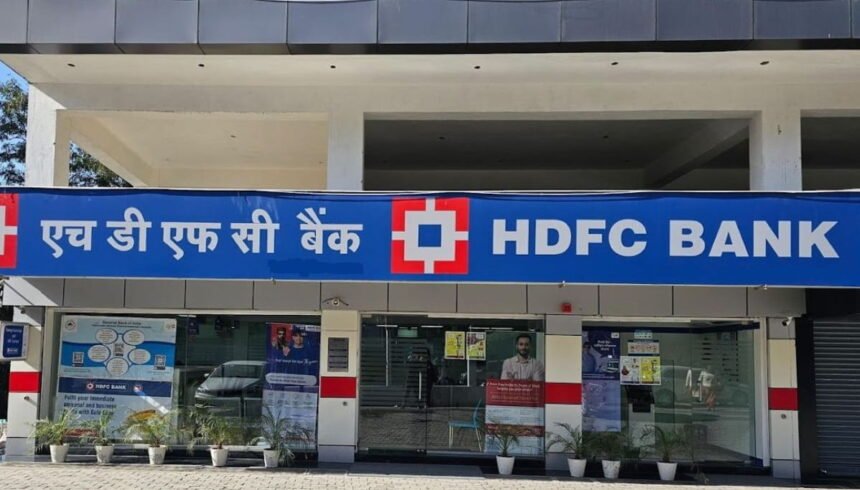
India’s banking sector was dealt a sudden shock when Atanu Chakraborty resigned from his position as Chairman of HDFC Bank, citing concerns related to “values and ethics.” This abrupt resignation has raised serious questions about governance, internal culture, and leadership at one of India’s largest private banks. This development immediately captured the attention of investors, as HDFC Bank is no ordinary private bank.
It is one of India’s most “systemically important” financial institutions, deeply intertwined with retail banking, corporate lending, housing finance, and digital banking infrastructure. Any change in leadership at this level naturally sparks apprehension across the entire market.
What Exactly Did HDFC Bank Chairman Atanu Chakraborty Say?
In his resignation letter, Atanu Chakraborty stated that over the past two years, certain incidents and practices had emerged within the bank that were not aligned with his personal values and ethics. He did not publicly name any specific incident, department, or official who could be held responsible for these concerns. This lack of specific detail has become the most discussed aspect of this entire saga.
His statement indicated that this was not a sudden, emotional decision, but rather a situation that had gradually evolved. The phrasing suggests that he had been feeling uncomfortable for a considerable period before making the decision to step down. These matters because Chairpersons, particularly Independent Chairpersons, typically refrain from publicly voicing ethical criticisms unless the disagreements are of a very grave nature.
Why is This Resignation Unusual?
It is common for a Chairman to step down due to health reasons, retirement, or the completion of their tenure. However, a resignation directly linked to ethical considerations is rare, especially at a bank of this magnitude. There are two reasons why this has garnered so much attention:
I) The Chairman serves as an independent oversight figure, expected to uphold the discipline of corporate governance.
II) A disagreement over ethical matters suggests underlying tension between the Board, which exercises oversight, and the executive leadership responsible for operations.
Also Read: PM Vidyalaxmi Completes One Year with a 50 Percent Loan Approval Rate