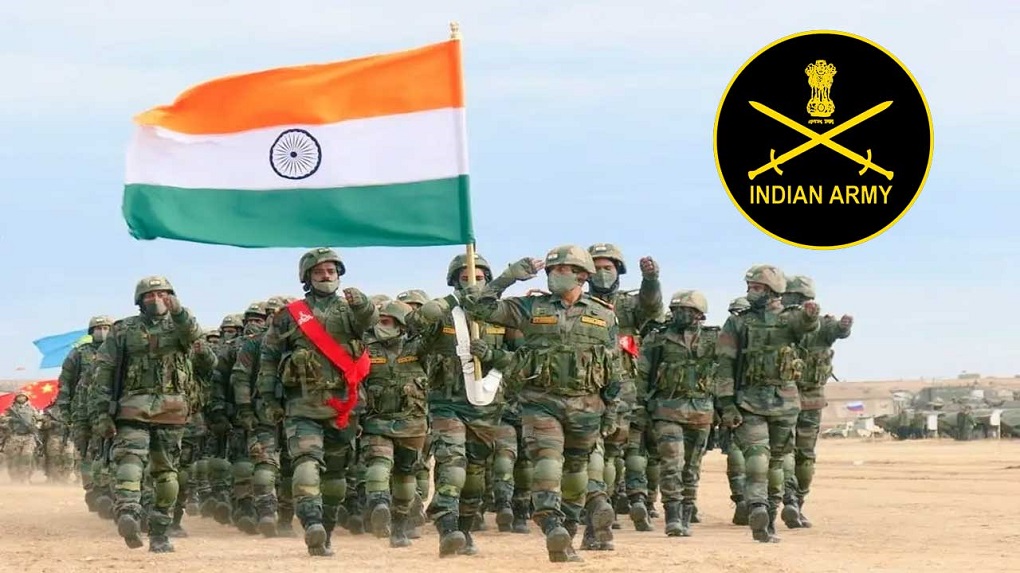
Two More Years in the Army: The central government’s decision to extend the service tenure of ‘Agniveers’ by two years has altered the trajectory of the ‘Agnipath‘ scheme. As new recruitment continues, critical questions regarding education, civilian employment, and life after military service can no longer be overlooked.
The four-year tenure for the first batch of Agniveers was set to conclude in 2026, with only 25% eligible for permanent induction into the armed forces. The Union Cabinet has now approved an additional two-year tenure for the remaining 75%. Furthermore, upon meeting specific selection criteria, these individuals may gain another opportunity to join the regular Army.
This decision grants thousands of young recruits more time in uniform and a renewed prospect of building a longer military career. However, it also raises a pressing question: what will become of those who eventually leave the service?
Recent developments in Chhattisgarh have added a new dimension to this debate. Following the announcement of the ‘Common Entrance Examination’ (CEE) results in July 2026, a new recruitment rally for various Agniveer categories is scheduled to be held across all 33 districts of the state in January 2027. Thus, while one batch is granted an extended tenure, another is simultaneously preparing to enter the ranks.
It is expected that detailed guidelines, incorporating the necessary changes and amendments, will be published on the official Indian Army website
Speaking at a press conference on November 4, Chief of Defence Staff (CDS) General Raja Subramani stated that revised guidelines for the Agnipath scheme would soon be formally released to the public. The Union Cabinet has already approved the expansion of this scheme. It is expected that detailed guidelines, incorporating the necessary changes and amendments, will be published on the official Indian Army website; however, no specific date for their release has been announced yet.

Here are the questions that the government and the armed forces will need to address:
1. Ultimately, how many ‘Agniveers’ will there be in the Army?
The original ‘Agnipath’ scheme was designed for a four-year service period, after which up to 25% of each batch would be inducted into the regular cadre. A decision taken in November 2026 has altered this arrangement for the remaining 75%, granting them an additional two-year tenure. This means that the first cohort will not return to civilian life after the initial four-year timeframe.
> However, with new recruitments continuing, what will be the total number of Agniveers in the coming years?
> Will the Army have to manage multiple, distinct batches simultaneously, batches that are at different stages of the scheme?
> As new recruits continue to join and the tenures of earlier batches are extended, how will the Army manage training, deployment, oversight, and career progression?
> Most importantly, does this additional two-year period change the original manpower calculations that underpinned the Agnipath scheme?
2. What will happen to an Agniveer who has completed the 10th grade, after six years of service?
This may well be one of the most significant questions surrounding the revised scheme. Traditionally, candidates who have passed the 10th grade have been eligible to apply for the ‘General Duty’ category in the Army. Similarly, ‘Tradesman’ positions have also been open to those who have completed the 8th or 10th grade.
Under the original framework, an individual recruited at the age of 17.5 would complete their four-year service at approximately 21.5 years of age. With the additional two-year tenure, if they are not selected for regular induction, they would leave the service at around 23.5 years of age.
This is still a relatively young age. But when applying for civilian jobs, what will an individual be able to showcase regarding their six years of experience? Military discipline, physical fitness, teamwork, and operational experience are highly valuable.
However, how easily will employers be able to recognise these skills? Will an ‘Agniveer’ who has completed the 10th grade and holds a military skills certificate be able to compete against candidates who are university graduates or holders of technical diplomas?
3. Will Agniveers Be Allowed To Marry During The Extended Service (Agniveers to Get Two More Years in the Army) ?
The revised Agniveer arrangement has also brought an unusual personal question into the discussion: “Marriage”
Under the existing rules, Agniveers cannot marry during their initial four-year engagement. The restriction is intended to keep recruits focused on military training, operational responsibilities and service discipline. But with the armed forces now offering an additional two years of engagement to those not selected for regular service, the marriage rule is reportedly being reconsidered.
Family-related provisions, including the possibility of allowing marriage during the extended two-year period, are under consideration. No formal change has been announced, and the existing restriction during the first four years remains in place.
The issue matters because recruits can join Agniveer service at 17.5 years. Someone who completes the full six-year engagement could be around 23.5 or older by the time they leave. Will they be expected to remain unmarried throughout their extended service? Will the armed forces allow marriage during the additional two years? And will any relaxation apply only to those who are not selected for regular enrolment?
The answers could shape how young recruits view a longer engagement with the armed forces, particularly when their personal lives and career plans are also at stake.
Also Read: CBSE Class 10 and 12 Exam Date Sheet 2027 Released; View the Detailed Timetable Here