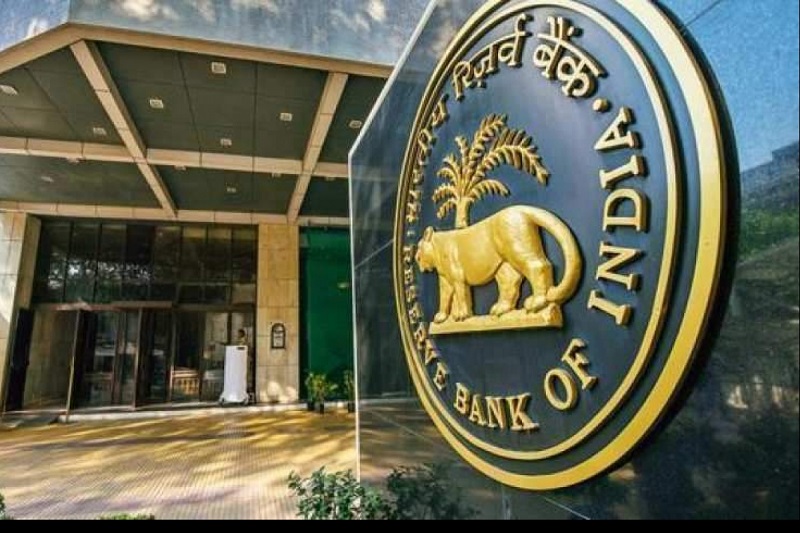
Focus on RBI Policy: The market remained under heavy selling pressure for the sixth consecutive week. During the week ending April 2, the market declined by approximately half a percent, bringing its total losses over the past six weeks to more than 11 percent. This trend persists because, despite intermittent attempts by the bulls to stage a recovery, the bears continue to maintain their dominance over Dalal Street.
Trump’s renewed threat of a forceful strike against Iran, rising US Treasury yields, a strengthening dollar, and Brent crude prices surging above $100 per barrel, all combined to reignite fears of imported inflation. Furthermore, India’s Manufacturing PMI (Purchasing Managers’ Index) hit a four-year low, exerting additional pressure on the market. However, thanks to measures taken by the RBI, the Rupee witnessed a relatively sharp recovery.

According to experts, the upcoming week, commencing April 6, is also expected to remain weak and highly volatile. This scenario is likely to persist until concrete news emerges regarding the de-escalation of the conflict and the reopening of the Strait of Hormuz. Meanwhile, the week ahead is packed with several high-impact events on both global and domestic fronts. These include the RBI’s monetary policy review, the commencement of the corporate earnings season, US GDP and inflation data, the FOMC minutes, and China’s inflation figures.
This week, the BSE Sensex fell by 264 points (0.36%) to settle at 73,320, while the Nifty 50 slipped 107 points (0.47%) to reach 22,713; meanwhile, the Nifty Midcap 100 index declined by 0.78%, whereas the Nifty Smallcap 100 index recorded a gain of 0.2%. Broad-based selling was witnessed across all sectors, with the IT sector being the sole exception.
Also Read: Indian Economy War Impact: How Global Conflict Is Affecting Growth, Inflation and Trade